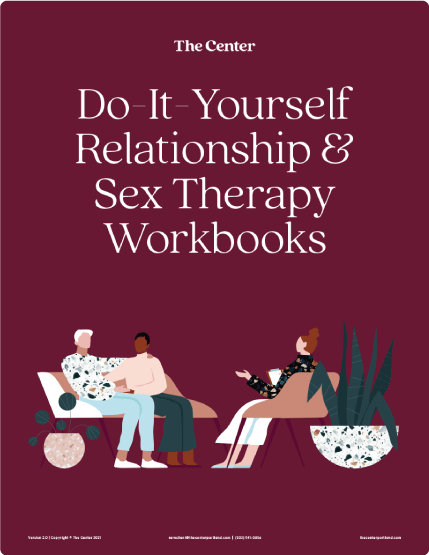
You sink into the couch with your partner. The room is warm and soft. You feel the gentle weight of their arm around you. Your head rests on their chest. Their breath rises and falls beneath your cheek.
Nothing big is happening. You are not talking. You are not problem solving. You are just there. Close. Connected. Safe.
Maybe you feel your shoulders drop.
Maybe you breathe a little slower.
Maybe your whole body feels like it melts into them.
Cuddling gives you a moment where the world stops spinning. Your nervous system softens. Your heart gets a chance to rest. You feel held. You feel chosen. You feel wanted.
This is not your imagination.
Your brain and body are responding to real biological changes the moment you touch someone you care about.
There is, in fact, a science to snuggling. And it is one of the simplest ways to strengthen your relationship and improve emotional and sexual connection.
Here is how it works.
Cuddling Lowers Stress and Helps You Reset
When you cuddle with someone you trust, your brain releases oxytocin. This hormone helps you feel calm, grounded, and emotionally safe.
Research shows this clearly. A study on daily hugs found that people who received more affectionate touch from their partner had a healthier cortisol awakening response the next day.
Cortisol is your main stress hormone. It spikes in the morning to help you wake up. When the system is overwhelmed, that spike can be too high or too low, which affects your mood, focus, and energy.
More partner hugs predicted a more balanced cortisol response. You wake up steadier. You feel less overwhelmed.
So when you curl up with your partner at night, you are not only bonding, but you’re literally helping your body manage stress the next day.
Your nervous system remembers safety. And it responds by calming down faster.
Snuggling Is Good for Your Heart and Overall Health
Cuddling impacts your physical health too. Touch helps regulate your cardiovascular system. One study found that women who had more partner hugs and higher oxytocin levels had lower blood pressure and heart rate. These are key markers for long term health.
Another study on affectionate touch found links between partner warmth and reduced reactivity to stress. Your body becomes more resilient when you regularly receive the touch of someone you care about.
It is amazing how something so simple can support both your emotional life and your physical well-being.
Sometimes it really is the small, consistent moments of softness that create the biggest changes.
Cuddling Strengthens Your Relationship
You might already know that cuddling feels good emotionally. You feel closer. You feel connected. You feel more understood.
A longitudinal study on married couples found that more frequent cuddling predicted higher relationship satisfaction over time. Not just in the moment. Couples who touched more often experienced a deeper sense of relational quality. Touch built trust. It increased warmth. It helped partners feel appreciated.
Another study found that affectionate touch was linked to stronger sexual satisfaction, more emotional closeness, and overall higher well-being within romantic partnerships.
Touch tells your partner:
- I am here
- You matter
- You are safe with me
Even when things are stressful.
Even when you do not have the right words.
Even when you feel disconnected.
Touch can bridge the space between you.
Cuddling Boosts Intimacy and Sexual Connection
Cuddling also prepares your body and mind for deeper intimacy. When oxytocin rises, your guard drops. You feel more open. Your mind slows down. You shift out of thinking mode and into feeling mode.
This means you are more present with your partner. More tuned in. More emotionally connected.
For many couples, this emotional connection is what makes physical intimacy feel safer and more enjoyable. When the emotional door opens, the sexual door often opens too.
Touch builds the foundation for desire. It creates softness that supports closeness. And it makes sex feel less like pressure and more like connection.
When Snuggling Feels Hard
Not everyone feels comfortable with touch. Trauma, past relationship wounds, tension in the relationship, or simply differences in touch preferences can make cuddling feel complicated.
If this is true for you, there is nothing wrong with you. Many couples come to therapy because they want to reconnect physically and emotionally, but are not sure how to start.
You can learn how to create safe, mutual, comfortable touch. You can build new patterns together. You can learn the rhythms that help you feel close again.
Cuddling Is a Simple Way to Feel Close Again
Life can be fast and full. Work, kids, relationships, transitions, stress. You might crave connection but not know how to reach for it. You might miss the softness you once shared with your partner.
- Start small.
- Sit closer on the couch.
- Hold hands.
- Lay your head on their shoulder.
- Let them rest against you in bed for a moment before turning away to sleep.
Touch can be one of the simplest ways to tell someone you love them. And it is one of the most powerful ways to care for your brain, your heart, and your relationship.
If you want support building closeness, emotional connection, or sexual intimacy, our therapists at The Center for Couples and Sex Therapy in Portland are here to help you strengthen the kind of connection you want to share.
You deserve a relationship that feels warm, safe, playful, and deeply connected.
And sometimes it starts with something as simple as a snuggle.